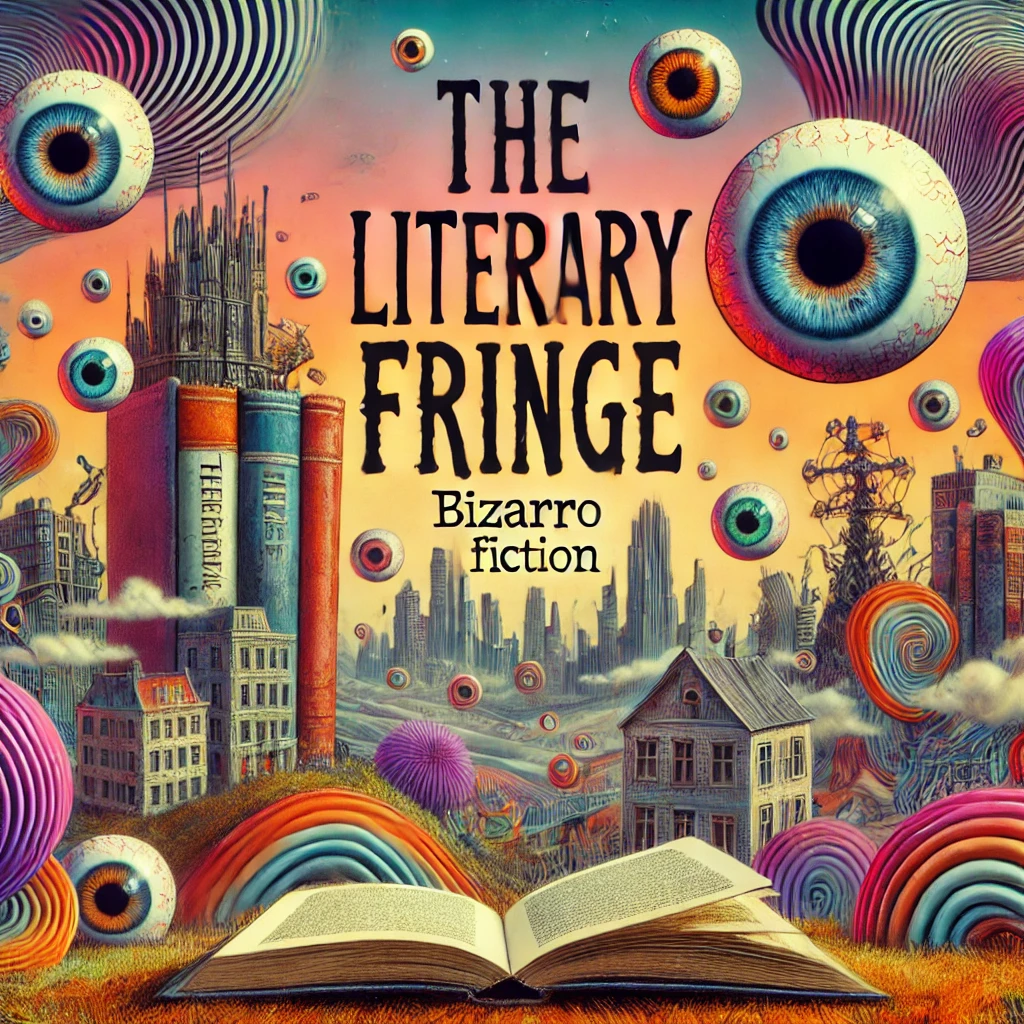
‘Weird fiction for weird people.’ No, I’m not being rude; that’s the genre’s unofficial motto. Ever wanted to read about prisoners trapped in a surreal nightmare of paranoia and cannibalism? A telepathic walrus with an unrequited love? Or a time-warping hall of mirrors that bends reality itself? Welcome to Bizarro.
Bizarro fiction embraces the surreal and the outright absurd, unapologetically carving out a space for those who want to dive into the bizarre side of literature. Starting with absolutely zero knowledge of the genre, I’m now realising that linking this blog to my LinkedIn might not be the wisest career move. My first Google search introduced me to a Guardian article with a glaring yellow warning: “This article is more than 14 years old!” Because nothing screams ‘reliable research’ like decade-old internet archives. From what I can gather, Bizarro fiction is far from mainstream but has a devoted cult following. While I’m thrilled for the publishers, convention goers and die-hard fans, I’m a little worried it might not meet the rigorous (made-up) criteria I’ve set for this blog. Still, Bizarro seems like the kind of genre that doesn’t aim to win over your average reader but instead thrives among those who actively seek it out.
What Is It
Bizarro is a modern genre with roots in the late ’90s and early 2000s, originally known as “irreal” fiction or “new absurdism.” Some enthusiasts claim it has spiritual connections to Ovid’s letters from exile, though I’m slightly skeptical of that accolade. If you’re familiar with cult films like Repo Man or Eraserhead, then I’ve found the genre for you. As someone who found Kill Bill pushing her weird capacity, this may test my limits. However, two of my favourites, South Park and Rick and Morty, seem to also stem from a similar vein. Essentially, if you like weird, you’ll love Bizarro. The genre emerged from a desire to translate cult films into written form – stories that balance elements of the surreal, horror, futurism, and the fantastical without fully embracing any of those genres, creating something uniquely written, yet not necessarily avant-garde.
Notable Bizarro Authors and Works
One standout of the Bizarro archives is the delightfully unhinged Shatner Quake by Jeff Burk, a multiverse-esque text in which William Shatner is hunted down by every character he’s ever played. While I won’t be choosing this as my text of focus, with little personal knowledge of Shatner outside of The Big Bang Theory, I imagine it’s a dream come true for many fans. As you will see, this is one of the more conventional Bizarro narratives.
As a fellow writer, I feel it’s only right to share one of the most satisfyingly crafted sentences I’ve come across, courtesy of Damien Walter from The Guardian. He writes ‘If Shatner Quake typifies the screwball exuberance of Bizarro fiction, then Carlton Melick III exemplifies the intelligence and wit that lurks between its lurid covers.’ Hopefully one day this blog will be half as elegant as that sentence. Walters quote perfectly captures the oxymoronic tightrope that Bizarro fiction walks, teetering between outright absurdity and genuine intellect.
But as I dig deeper into the genre, I’m starting to wonder what I’ve gotten myself into. Consider these titles from the Bizarro canon: War Slut, The Haunted Vagina, and The Baby Jesus Butt Plug. An explosive start to the blog, to say the least. Though I suppose when you go searching for obscure corners of literature, you can’t exactly complain when you find them. Usually, I’d dismiss titles like these as little more than sensationalism, but many argue that this outrageousness often conceals genuine insight and I am excited to find out. It’s a bit like The Book of Mormon, where the overt absurdity supposedly nullifies any offence it might otherwise cause. That said, there are limits, and I’ve definitely found mine. I will not be looking into Ass Goblins of Auschwitz, a title I would have hoped to never hear.
And if the names weren’t wild enough, the Bizarro illustrations are equally… well, bizarre.
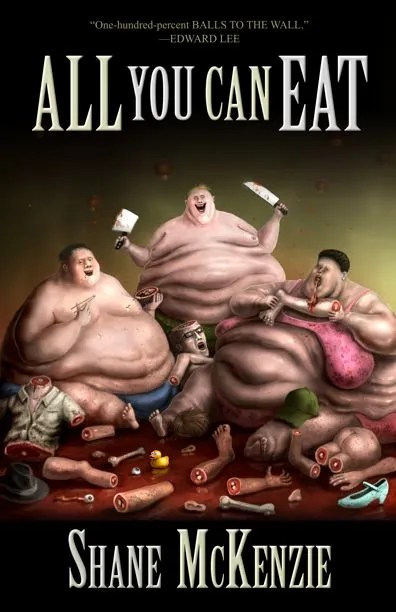
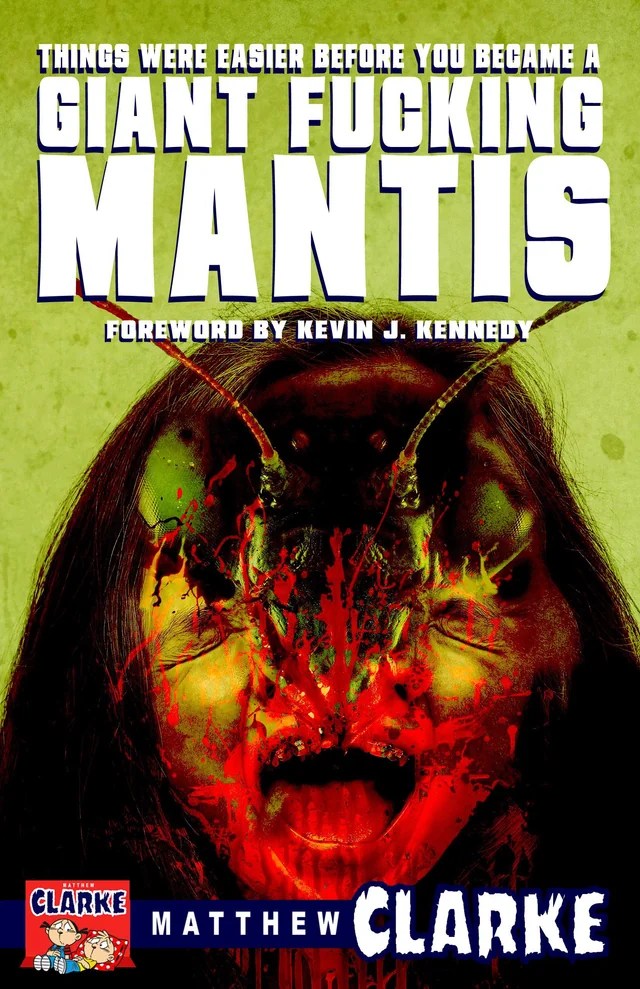
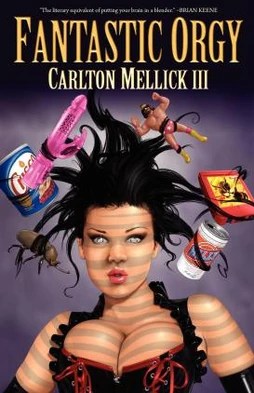
I want all of these on t-shirts.
For the sake of breadth, I feel I need to highlight the less extreme side of Bizarro fiction. Conveniently, there is the Bizarro Starter Kit series of novellas that contain ten different authors works. A good place to start. Cursed by Jeremy Shipp seems to be a tempered version of the genre, described as a ‘clever, funny, meaningful and dark comedy that will take you by surprise.’ It seems for a mainstream audience, Jeremy Shipp should probably be Bizarro’s ambassador.
Criticisms of Bizarro: A Rejection of ‘Non-Serious Literature’
Although the genre is not without its criticisms. A particularly hostile article by Dr. Joseph Suglia argues that Bizarro fiction is written by inarticulate authors who focus on creating bizarre stories with little regard for literary quality or deeper engagement with “serious literature.” He denies its status as a genre, instead calling it a cult that indulges in a fetishisation of the strange, ultimately reducing literature to a “playground for the talentless,” where narrative and language matter less than seeking “difference” for its own sake.
This criticism feels particularly ironic, as the very exclusivity of the literary canon stands in stark contrast to the spirit of this blog. While I cannot comment directly as I am still new to the genre, I don’t subscribe to the idea that so-called ‘serious literature’ is inherently superior, nor do I believe academic rigour is the only valid measure of literary worth. Writing, to me, is for everyone, and reading is voluntary. While certain texts will inevitably be held in higher esteem due to cultural or historical significance, that doesn’t render other works are inferior. Conformity is the death of innovation, especially in a world where diverse voices can offer fresh insights. Art should embrace the ever broadening spectrum of perspectives rather than limiting it to a few ‘elite’ categories.
Can you tell this is a contentious topic with me? That said, I’ll offer a more informed response once I’ve had the chance to dive deeper into the texts.
Bizarro Books on My Reading List
I have struggled to settle on just one book to start with, so instead I have selected several that I think will be an interesting gateway.
- The first is The Cannibal’s Guide to Ethical Living by Mykle Hansen which is a dark satire about high society, morality, and, well…cannibalism. It narrates a food journalist held captive by a chef with a taste for millionaires. (‘Eat the rich’ taken very literally.)
- Another intriguing title, The Traveling Dildo Salesman by Kevin L. Donihe, follows Ralph, a door-to-door salesman peddling sex toys “Made in Heaven.” Think Kafka meets Adventure Time, wrapped up in a great cover.

- For a more philosophical take, The Egg Said Nothing by Chris O’Malley presents the surreal dilemma faced by Manny, who wakes up with an egg between his legs. It offers a provocative take on time travel, rebirth and love.
- And finally, we have John Skipp and his surreal meta-commentary in The Last Goddam Hollywood Movie. Picture a post apocalyptic LA and a very ambitious producer.
I shall see how many I get through and post my reviews as I go. In the meantime, I urge you to take a look for yourself and would love to hear your thoughts. While some titles may be shocking at first glance, from what I’ve seen Bizarro fiction is shaping up to be a thought-provoking and surprisingly profound genre. I can’t help but admire their fearless creativity.
 The Literary Fringe